
Suffering from this type of pain? You may have the foot condition known as Morton's neuroma. Morton's neuroma may develop as a result of ill-fitting footwear and existing foot deformities. We can help.
Suffering from this type of pain? You may have the foot condition known as Morton's neuroma. Morton's neuroma may develop as a result of ill-fitting footwear and existing foot deformities. We can help.
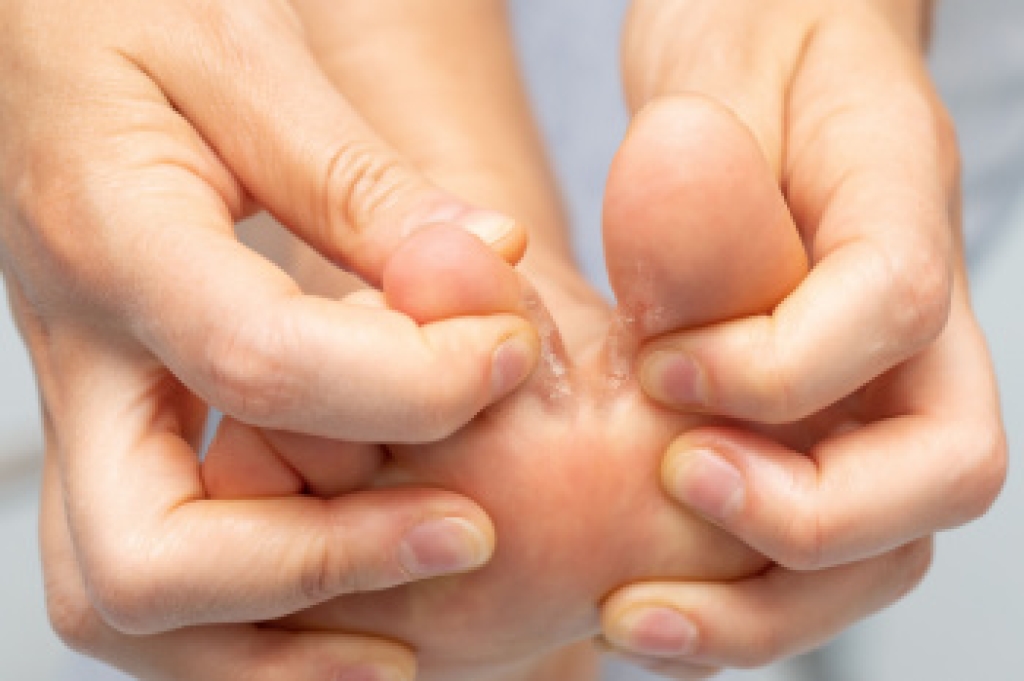
Athlete’s foot is a common fungal infection that affects the skin on the feet, usually starting between the toes. It thrives in warm and moist environments and can cause itching, redness, burning, and peeling. If not treated, the infection can spread to other parts of the body, including the toenails, hands, and groin. Risk factors include wearing damp socks, using shared showers, having sweaty feet, and walking barefoot in public places. A podiatrist can help by diagnosing the infection, providing effective treatments, and offering guidance to prevent it from returning. Professional care can also address complications such as cracked skin or nail involvement. If you notice signs of athlete’s foot, it is suggested that you consult a podiatrist who can offer effective treatment solutions, which may include prescribed medication.
Athlete’s foot is an inconvenient condition that can be easily reduced with the proper treatment. If you have any concerns about your feet and ankles, contact one of our podiatrists from New Jersey. our doctors will treat your foot and ankle needs.
Athlete’s Foot: The Sole Story
Athlete's foot, also known as tinea pedis, can be an extremely contagious foot infection. It is commonly contracted in public changing areas and bathrooms, dormitory style living quarters, around locker rooms and public swimming pools, or anywhere your feet often come into contact with other people.
Solutions to Combat Athlete’s Foot
Athlete’s foot can cause many irritating symptoms such as dry and flaking skin, itching, and redness. Some more severe symptoms can include bleeding and cracked skin, intense itching and burning, and even pain when walking. In the worst cases, Athlete’s foot can cause blistering as well. Speak to your podiatrist for a better understanding of the different causes of Athlete’s foot, as well as help in determining which treatment options are best for you.
If you have any questions please feel free to contact our office located in Neptune City, NJ . We offer the newest diagnostic and treatment technologies for all your foot and ankle needs.

Foot pain during pregnancy often develops as extra weight and shifting balance place added stress on the heels, arches, toes, and ankles. As the baby grows, many women notice soreness linked to swelling, changes in posture, or increased strain on soft tissues. Plantar fasciitis involves irritation of the band of tissue that supports the arch and can lead to sharp pain in the heel, especially when taking the first steps after resting. Irritation of the Achilles tendon creates stiffness and makes walking uncomfortable as the back of the ankle becomes increasingly stressed. Swelling around the toes and ankles can also cause aching or a heavy sensation in the feet and make standing or walking more difficult. A podiatrist can evaluate these foot pain issues, provide inserts for shoes with inadequate support, and offer guidance on ways to reduce strain on the feet during pregnancy. If you are experiencing any of the above symptoms, it is suggested that you make an appointment with a podiatrist for a diagnosis and appropriate treatment.
Pregnant women with swollen feet can be treated with a variety of different methods that are readily available. For more information about other cures for swollen feet during pregnancy, consult with one of our podiatrists from New Jersey. our doctors will attend to all of your foot and ankle needs.
What Foot Problems Can Arise During Pregnancy?
One problem that can occur is overpronation, which occurs when the arch of the foot flattens and tends to roll inward. This can cause pain and discomfort in your heels while you’re walking or even just standing up, trying to support your baby.
Another problem is edema, or swelling in the extremities. This often affects the feet during pregnancy but tends to occur in the later stages.
How Can I Keep My Feet Healthy During Pregnancy?
If you have any questions, please feel free to contact our office located in Neptune City, NJ . We offer the newest diagnostic and treatment technologies for all your foot care needs.
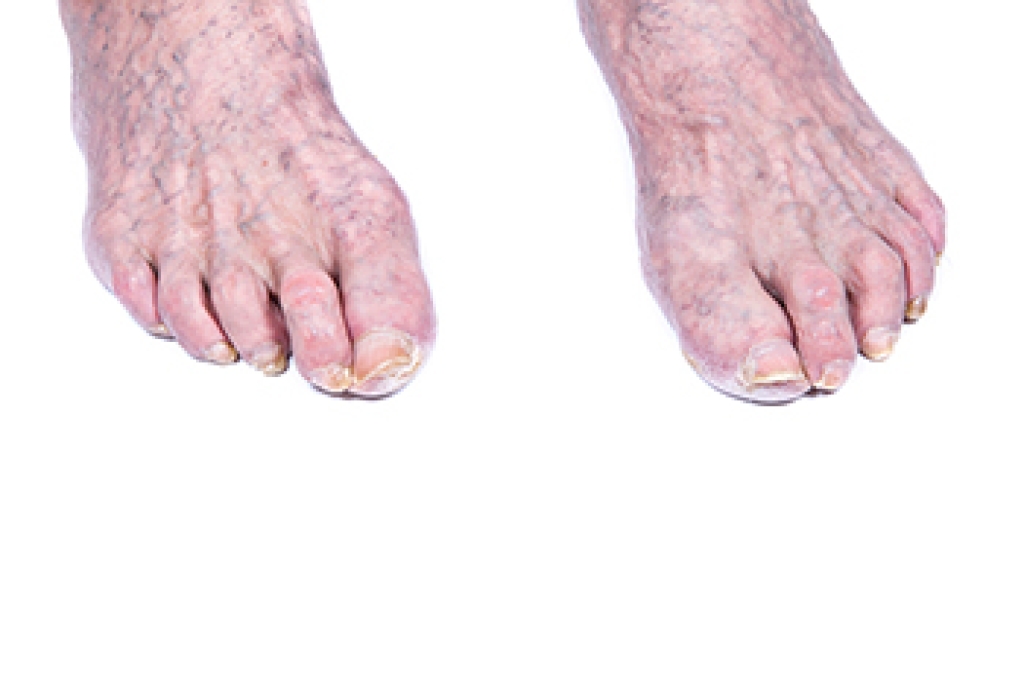
Senior foot care is an important part of staying active, balanced, and independent. A simple daily foot check helps identify changes, including redness, swelling, or sores, before they worsen. Washing and drying the feet thoroughly keeps the skin healthy, while applying moisturizer, but not between the toes, helps prevent cracking. Trimming toenails straight across reduces the risk of ingrown nails, and choosing shoes that fit well supports stability and protects delicate skin. A podiatrist can address foot pain, toenail problems, circulation concerns, and other changes related to aging. If you or an elderly loved one have developed foot pain, it is suggested that you consult a podiatrist who can treat various foot conditions, and guide you on additional foot care tips.
Proper foot care is something many older adults forget to consider. If you have any concerns about your feet and ankles, contact one of our podiatrists from New Jersey. our doctors can provide the care you need to keep you pain-free and on your feet.
The Elderly and Their Feet
As we age we start to notice many changes in our body, but the elder population may not notice them right away. Medical conditions may prevent the elderly to take notice of their foot health right away. Poor vision is a lead contributor to not taking action for the elderly.
Common Conditions
Susceptible Infections
Diabetes and poor circulation can cause general loss of sensitivity over the years, turning a simple cut into a serious issue.
If you have any questions, please feel free to contact our office located in Neptune City, NJ . We offer the newest diagnostic and treatment technologies for all your foot care needs.

Flat feet occur when the arches collapse and the entire sole touches the ground, which can lead to pain, fatigue, and changes in walking mechanics. Some individuals benefit from surgery when conservative care is not enough. Surgical correction can improve alignment and reduce chronic pain, but it also requires recovery time and carries risks such as stiffness or incomplete relief. A podiatrist can evaluate your feet, recommend orthotics and supportive footwear, and discuss whether surgery is an appropriate option for your condition. Taking action early can prevent long-term problems. If you have discomfort from flat feet, it is suggested that you are under the care of a podiatrist who can discuss viable treatment options with you, which may include surgery to restore comfort and mobility.
Foot surgery is sometimes necessary to treat a foot ailment. To learn more, contact one of our podiatrists of New Jersey. our doctors will assist you with all of your foot and ankle needs.
When Is Surgery Necessary?
Foot and ankle surgery is generally reserved for cases in which less invasive, conservative procedures have failed to alleviate the problem. Some of the cases in which surgery may be necessary include:
What Types of Surgery Are There?
The type of surgery you receive will depend on the nature of the problem you have. Some of the possible surgeries include:
Benefits of Surgery
Although surgery is usually a last resort, it can provide more complete pain relief compared to non-surgical methods and may allow you to finally resume full activity.
Surgical techniques have also become increasingly sophisticated. Techniques like endoscopic surgery allow for smaller incisions and faster recovery times.
If you have any questions, please feel free to contact our office located in Neptune City, NJ . We offer the newest diagnostic and treatment technologies for all your foot care needs.
Connect With Us
