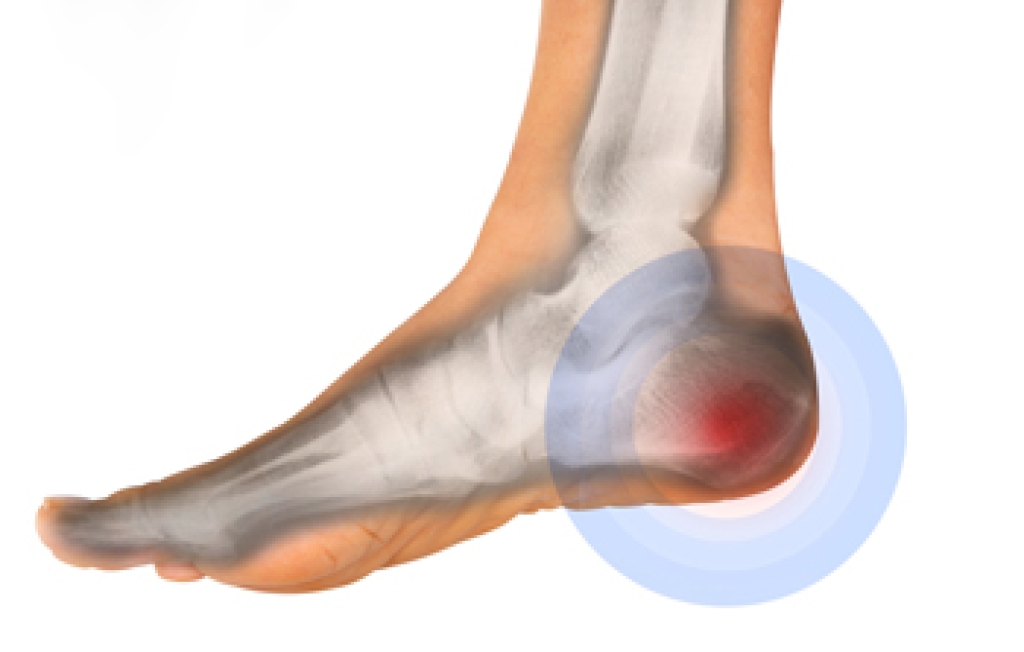
The heel fat pad is a thick layer of soft tissue beneath the heel bone that cushions each step. Heel fat pad atrophy develops when this protective layer becomes thinner or loses some of its spring. The heel then has less protection from the force created while walking, running, or standing. Aging can contribute to these changes. Repeated impact and an uneven walking pattern can place added strain on the pad. Certain health conditions, including diabetes, rheumatoid arthritis, and lupus, can also affect this tissue.
Heel fat pad atrophy causes a deep, bruise-like pain in the center of the heel. The discomfort can become stronger on hard floors or after long periods of standing. Some patients feel pain while resting or when firm pressure is placed on the heel. These symptoms can resemble plantar fasciitis, but the location of the pain is usually different. Plantar fasciitis tends to cause pain closer to the inner front edge of the heel. An accurate diagnosis is important because these two problems require different care. Without proper treatment, heel pain can affect a patient’s walking pattern and increase pressure elsewhere in the foot.
A podiatrist can examine the heel, review the patient’s symptoms, and study how the foot moves. X-rays can help rule out a bone injury or another source of pain. Ultrasound imaging can show the thickness and condition of the heel pad. Once the cause is identified, the podiatrist can recommend treatment based on foot structure and activity level. Treatment can include custom orthotics, cushioned heel cups, or taping to hold the heel pad in a better position. The podiatrist can recommend shoes with proper cushioning and support. Regular evaluations can track changes in the heel and allow the treatment plan to be adjusted. If you have pain, it is suggested that you schedule an appointment with a podiatrist who can accurately diagnose and treat heel pad atrophy.
Many people suffer from bouts of heel pain. For more information, contact one of our podiatrists of New Jersey. our doctors can provide the care you need to keep you pain-free and on your feet.
Causes of Heel Pain
Heel pain is often associated with plantar fasciitis. The plantar fascia is a band of tissues that extends along the bottom of the foot. A rip or tear in this ligament can cause inflammation of the tissue.
Achilles tendonitis is another cause of heel pain. Inflammation of the Achilles tendon will cause pain from fractures and muscle tearing. Lack of flexibility is also another symptom.
Heel spurs are another cause of pain. When the tissues of the plantar fascia undergo a great deal of stress, it can lead to ligament separation from the heel bone, causing heel spurs.
Why Might Heel Pain Occur?
- Wearing ill-fitting shoes
- Wearing non-supportive shoes
- Weight change
- Excessive running
Treatments
Heel pain should be treated as soon as possible for immediate results. Keeping your feet in a stress-free environment will help. If you suffer from Achilles tendonitis or plantar fasciitis, applying ice will reduce the swelling. Stretching before an exercise like running will help the muscles. Using all these tips will help make heel pain a condition of the past.
If you have any questions, please feel free to contact our office located in Neptune City, NJ . We offer the newest diagnostic and treatment technologies for all your foot care needs.
