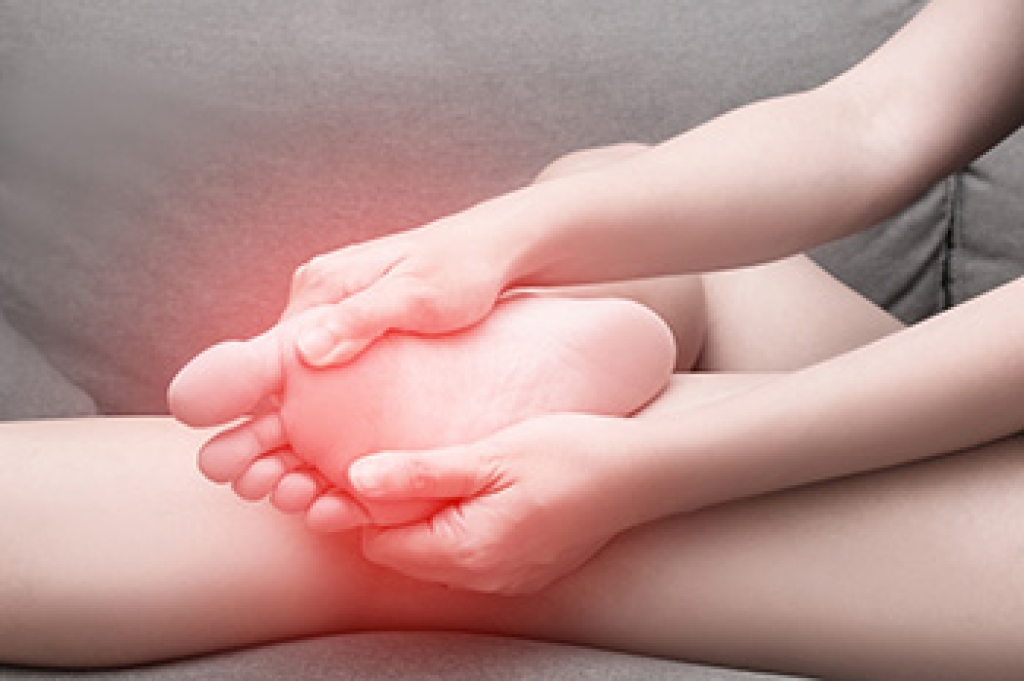
Ankle Fracture? Don’t Wait for Treatment

If you're suffering from an ankle fracture, professional attention shouldn't wait. Fractures may worsen over time and can make completing everyday activities incredibly difficult. See your specialist for treatment and guidance through the healing process. 

Facts About Achilles Tendon Pain

Achilles tendonitis is a condition that affects the large tendon at the back of the ankle that connects the calf muscles to the heel bone. It develops when the tendon becomes irritated from repeated strain or overuse during activities like walking, running, or jumping. Symptoms include pain, stiffness, swelling, and difficulty pushing off the foot, especially after rest. There are two types, based on where the tendon is affected, either in the middle or near the heel. Risk factors include tight calf muscles, sudden increases in activity, aging, and wearing poor-fitting shoes. A podiatrist can evaluate the tendon, check foot structure, and order imaging to confirm the diagnosis. Treatment may include bracing, orthotics, or surgery if the tendon is damaged. If you have symptoms of Achilles tendonitis, it is suggested that you make an appointment with a podiatrist for a diagnosis and treatment.

Achilles tendon injuries need immediate attention to avoid future complications. If you have any concerns, contact one of our podiatrists of New Jersey. our doctors can provide the care you need to keep you pain-free and on your feet.

What Is the Achilles Tendon?

The Achilles tendon is a tendon that connects the lower leg muscles and calf to the heel of the foot. It is the strongest tendon in the human body and is essential for making movement possible. Because this tendon is such an integral part of the body, any injuries to it can create immense difficulties and should immediately be presented to a doctor.

What Are the Symptoms of an Achilles Tendon Injury?

There are various types of injuries that can affect the Achilles tendon. The two most common injuries are Achilles tendinitis and ruptures of the tendon.

Achilles Tendinitis Symptoms

  • Inflammation
  • Dull to severe pain
  • Increased blood flow to the tendon
  • Thickening of the tendon

Rupture Symptoms

  • Extreme pain and swelling in the foot
  • Total immobility

Treatment and Prevention

Achilles tendon injuries are diagnosed by a thorough physical evaluation, which can include an MRI. Treatment involves rest, physical therapy, and in some cases, surgery. However, various preventative measures can be taken to avoid these injuries, such as:

  • Thorough stretching of the tendon before and after exercise
  • Strengthening exercises like calf raises, squats, leg curls, leg extensions, leg raises, lunges, and leg presses

If you have any questions please feel free to contact our office located in Neptune City, NJ . We offer the newest diagnostic tools and technology to treat your foot and ankle needs.

Read more about The Causes, Types, and Treatments of Achilles Tendon Injuries

Choosing Comfortable Shoes for Children and Supporting Healthy Feet

Selecting the right shoes for children is important for comfort and healthy foot development. In recent studies, children may believe that comfort equates to softness, which may depend on the  age of the child. A well-fitting shoe should provide gentle support, allow natural motion, and avoid pressure on growing feet. Shoes that are too tight or poorly structured can lead to discomfort and conditions like blisters or foot fatigue. Children may not always express discomfort, so observing how they walk and play is essential. A podiatrist can assess foot growth, recommend proper footwear, and address any concerns early. If you have concerns about your child's feet and what shoes they should be wearing, it is suggested that you consult a podiatrist who can provide necessary treatment and offer you informational guidance and helpful tips.

The health of a child’s feet is vital to their overall well-being. If you have any questions regarding foot health, contact one of our podiatrists of New Jersey. our doctors can provide the care you need to keep you pain-free and on your feet.

Tips for Keeping Children's Feet Healthy

  • Make sure their shoes fit properly
  • Look for any signs of in-toeing or out-toeing
  • Check to see if they have Clubfoot (condition that affects your child’s foot and ankle, twisting the heel and toes inward) which is one of the most common nonmajor birth defects.
  • Lightly cover your baby’s feet (Tight covers may keep your baby from moving their feet freely, and could prevent normal development)
  • Allow your toddler to go shoeless (Shoes can be restricting for a young child’s foot)
  • Cut toenails straight across to avoid ingrown toenails
  • Keep your child’s foot clean and dry
  • Cover cuts and scrapes. Wash any scratches with soap and water and cover them with a bandage until they’ve healed.

If you have any questions, please feel free to contact our office located in Neptune City, NJ . We offer the newest diagnostic and treatment technologies for all your foot care needs.
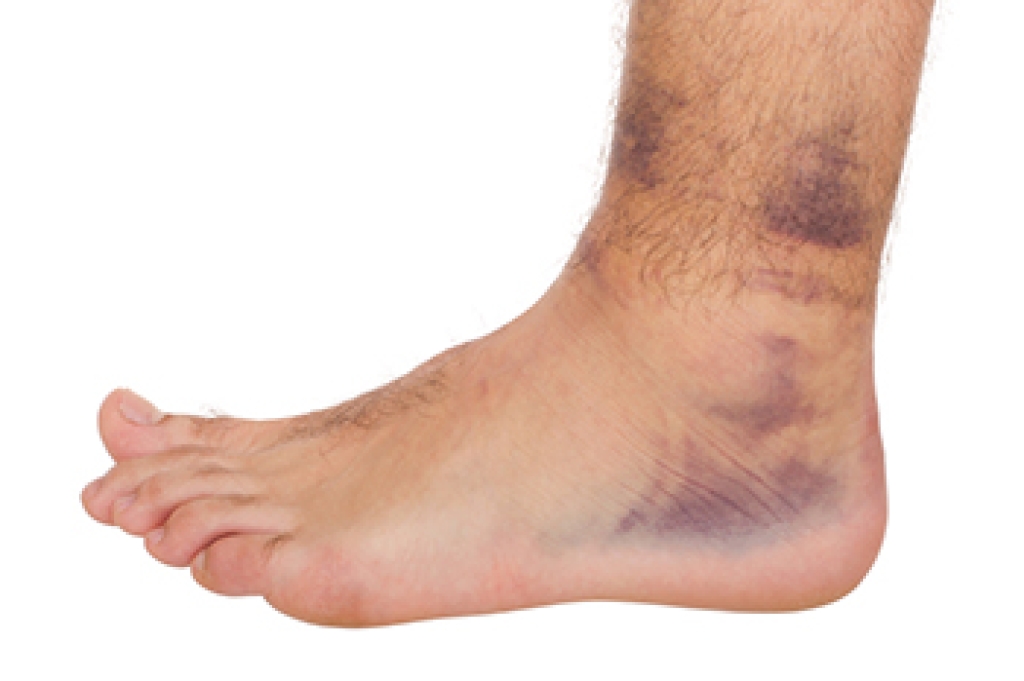

Read more about How to Care for Your Child's Feet

New Advances Helping Protect Diabetic Feet

Foot complications linked to diabetes are still common and can be difficult to manage. They often require long treatment and can lead to serious health problems, if not addressed early. Today, digital tools allow doctors to track patients from home. Temperature sensors and other devices can spot early signs of inflammation before a wound forms. New treatment methods and advanced wound dressings are also helping sores close more effectively. Doctors now focus not only on healing wounds but also on preventing them from returning. Foot sores frequently come back after healing, so long-term care is critical. If you have diabetes, routine foot checks matter, and it is suggested that you see a podiatrist who can detect early warning signs and help protect your feet from serious complications.

Wound care is an important part in dealing with diabetes. If you have diabetes and a foot wound or would like more information about wound care for diabetics, consult with one of our podiatrists from New Jersey. our doctors will assess your condition and provide you with quality foot and ankle treatment.

What Is Wound Care?

Wound care is the practice of taking proper care of a wound. This can range from the smallest to the largest of wounds. While everyone can benefit from proper wound care, it is much more important for diabetics. Diabetics often suffer from poor blood circulation which causes wounds to heal much slower than they would in a non-diabetic. 

What Is the Importance of Wound Care?

While it may not seem apparent with small ulcers on the foot, for diabetics, any size ulcer can become infected. Diabetics often also suffer from neuropathy, or nerve loss. This means they might not even feel when they have an ulcer on their foot. If the wound becomes severely infected, amputation may be necessary. Therefore, it is of the upmost importance to properly care for any and all foot wounds.

How to Care for Wounds

The best way to care for foot wounds is to prevent them. For diabetics, this means daily inspections of the feet for any signs of abnormalities or ulcers. It is also recommended to see a podiatrist several times a year for a foot inspection. If you do have an ulcer, run the wound under water to clear dirt from the wound; then apply antibiotic ointment to the wound and cover with a bandage. Bandages should be changed daily and keeping pressure off the wound is smart. It is advised to see a podiatrist, who can keep an eye on it.

If you have any questions please contact our office located in Neptune City, NJ . We offer the newest diagnostic and treatment technologies for all your foot and ankle needs.

Read more about Wound Care

Neuropathy and Its Impact on Foot Health

Neuropathy is a nerve-related condition defined as damage or dysfunction of the peripheral nerves that transmit signals between the brain, spinal cord, and the rest of the body. When neuropathy affects the feet, it can alter normal sensation and movement, which may increase the risk of unnoticed injuries. One of the most common causes is diabetes, which may gradually damage nerves through long-term changes in blood glucose levels. Symptoms include numbness, tingling, burning sensations, pain, and muscle weakness in the feet or lower legs. Risk factors may involve chronic health conditions, poor circulation, and prolonged nerve irritation. A podiatrist can evaluate nerve-related symptoms, monitor foot health, and recommend protective care. If foot numbness or burning sensations develop, it is suggested that you consult a podiatrist who can help you to manage this condition.

Neuropathy

Neuropathy can be a potentially serious condition, especially if it is left undiagnosed. If you have any concerns that you may be experiencing nerve loss in your feet, consult with one of our podiatrists from New Jersey. our doctors will assess your condition and provide you with quality foot and ankle treatment for neuropathy.

What Is Neuropathy?

Neuropathy is a condition that leads to damage to the nerves in the body. Peripheral neuropathy, or neuropathy that affects your peripheral nervous system, usually occurs in the feet. Neuropathy can be triggered by a number of different causes. Such causes include diabetes, infections, cancers, disorders, and toxic substances.

Symptoms of Neuropathy Include:

  • Numbness
  • Sensation loss
  • Prickling and tingling sensations
  • Throbbing, freezing, burning pains
  • Muscle weakness

Those with diabetes are at serious risk due to being unable to feel an ulcer on their feet. Diabetics usually also suffer from poor blood circulation. This can lead to the wound not healing, infections occurring, and the limb may have to be amputated.

Treatment

To treat neuropathy in the foot, podiatrists will first diagnose the cause of the neuropathy. Figuring out the underlying cause of the neuropathy will allow the podiatrist to prescribe the best treatment, whether it be caused by diabetes, toxic substance exposure, infection, etc. If the nerve has not died, then it’s possible that sensation may be able to return to the foot.

Pain medication may be issued for pain. Electrical nerve stimulation can be used to stimulate nerves. If the neuropathy is caused from pressure on the nerves, then surgery may be necessary.

If you have any questions, please feel free to contact our office located in Neptune City, NJ . We offer the newest diagnostic and treatment technologies for all your foot care needs.
Read more about Neuropathy

Connect With Us

scroll to top