Signs of an Achilles Tendon Injury

An Achilles tendon injury affects the strong band of tissue that connects the calf muscles to the heel bone. This tendon plays a critical role in walking, running, and pushing off the foot during movement. Injuries can range from mild inflammation to partial or complete tears. Because the Achilles tendon endures high levels of stress, it is vulnerable to damage, especially during sudden or intense activity. Understanding this condition is important for early recognition and proper care.

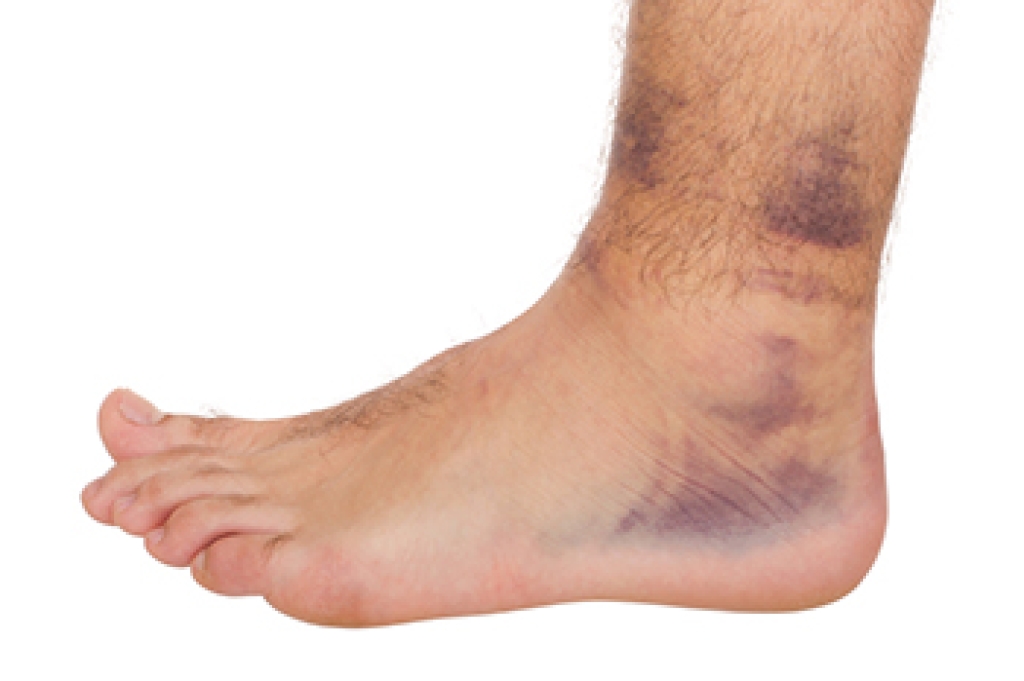
Symptoms of an Achilles tendon injury often appear suddenly and may be severe. Many individuals report hearing or feeling a pop or snap at the back of the ankle at the time of injury. This sensation is sometimes described as feeling like being kicked in the heel. Swelling and bruising may develop quickly, along with pain that makes walking difficult. A common sign is the inability to push off the foot or stand on tiptoe. These symptoms can significantly affect mobility and require prompt attention.


The causes of Achilles tendon injuries are often linked to sudden increases in physical activity or forceful movements. Activities that involve jumping, sprinting, or quick direction changes can place excessive strain on the tendon. Lack of proper warm up, tight calf muscles, and inadequate conditioning may increase the risk of injury. Overuse and repetitive stress can weaken the tendon over time, making it more susceptible to tears during activity.


Risk factors include active adults who participate in sports without consistent training, as well as individuals known as weekend warriors who engage in intense activity after periods of inactivity. A history of previous tendon injuries, aging, and poor footwear can also contribute to risk. Early evaluation and proper care are essential for recovery and preventing further damage. If you have an Achilles tendon injury, it is suggested that you consult a podiatrist for effective relief and treatment solutions. 

Achilles tendon injuries need immediate attention to avoid future complications. If you have any concerns, contact one of our podiatrists of New Jersey. our doctors can provide the care you need to keep you pain-free and on your feet.

What Is the Achilles Tendon?

The Achilles tendon is a tendon that connects the lower leg muscles and calf to the heel of the foot. It is the strongest tendon in the human body and is essential for making movement possible. Because this tendon is such an integral part of the body, any injuries to it can create immense difficulties and should immediately be presented to a doctor.

What Are the Symptoms of an Achilles Tendon Injury?

There are various types of injuries that can affect the Achilles tendon. The two most common injuries are Achilles tendinitis and ruptures of the tendon.

Achilles Tendinitis Symptoms

  • Inflammation
  • Dull to severe pain
  • Increased blood flow to the tendon
  • Thickening of the tendon

Rupture Symptoms

  • Extreme pain and swelling in the foot
  • Total immobility

Treatment and Prevention

Achilles tendon injuries are diagnosed by a thorough physical evaluation, which can include an MRI. Treatment involves rest, physical therapy, and in some cases, surgery. However, various preventative measures can be taken to avoid these injuries, such as:

  • Thorough stretching of the tendon before and after exercise
  • Strengthening exercises like calf raises, squats, leg curls, leg extensions, leg raises, lunges, and leg presses

If you have any questions please feel free to contact our office located in Neptune City, NJ . We offer the newest diagnostic tools and technology to treat your foot and ankle needs.

Read more about Achilles Tendon Injuries

Heel Spurs and the Benefits of Early Podiatry Care

Heel spurs are bony growths that develop on the underside or back of the heel bone. They often form gradually after repeated stress is placed on the foot and may be associated with plantar fasciitis or Achilles tendon problems. Although some heel spurs do not cause symptoms, others can lead to ongoing heel pain that makes standing or walking uncomfortable. Many people describe the pain as sharp when taking their first steps or after long periods of rest. Others notice aching or tenderness that becomes worse after spending time on their feet. Because heel pain has many possible causes, a professional evaluation is important to determine whether a heel spur is responsible for the symptoms.


Repeated strain on the tissues attached to the heel can contribute to the formation of heel spurs. Risk factors include prolonged standing, excess body weight, and activities that place repeated stress on the feet. Foot structure may also play a role in how pressure is distributed across the heel. Persistent heel pain can change the way a person walks, placing additional stress on the ankles, knees, and hips. A thorough examination helps identify the source of the discomfort and determine whether other foot conditions are contributing to the problem. Early diagnosis supports more effective treatment and helps reduce the risk of long-term mobility issues.


A podiatrist specializes in diagnosing and treating heel spurs by evaluating foot structure, walking mechanics, and overall function. Treatment is tailored to each patient's condition and focuses on relieving pain, improving mobility, and reducing stress on the affected tissues. Early podiatry care may also help prevent symptoms from becoming more severe or limiting daily activities. Regular follow-up allows treatment to be adjusted as recovery progresses and foot function improves. If heel pain is interfering with your comfort or mobility, it is suggested that you consult a podiatrist for an evaluation and appropriate treatment options.

Heel spurs can be incredibly painful and sometimes may make you unable to participate in physical activities. To get medical care for your heel spurs, contact one of our podiatrists from New Jersey. our doctors will do everything possible to treat your condition.

Heels Spurs

Heel spurs are formed by calcium deposits on the back of the foot where the heel is. This can also be caused by small fragments of bone breaking off one section of the foot, attaching onto the back of the foot. Heel spurs can also be bone growth on the back of the foot and may grow in the direction of the arch of the foot.

Older individuals usually suffer from heel spurs and pain sometimes intensifies with age. One of the main condition's spurs are related to is plantar fasciitis.

Pain

The pain associated with spurs is often because of weight placed on the feet. When someone is walking, their entire weight is concentrated on the feet. Bone spurs then have the tendency to affect other bones and tissues around the foot. As the pain continues, the feet will become tender and sensitive over time.

Treatments

There are many ways to treat heel spurs. If one is suffering from heel spurs in conjunction with pain, there are several methods for healing. Medication, surgery, and herbal care are some options.

If you have any questions, please feel free to contact our office located in Neptune City, NJ . We offer the newest diagnostic and treatment technologies for all your foot care needs.

Read more about Heel Spurs

Heel Pain in the Morning?

Heel pain can negatively affect your day-to-day life. Simple activities like walking can become incredibly uncomfortable or painful due to heel pain.

Don’t live with heel pain and get treated.

Improving Foot Flexibility

Stretching the feet helps keep muscles, tendons, and joints flexible, making everyday movement easier and more comfortable. Healthy feet support balance, absorb shock, and help the body move efficiently while walking. As people age, the feet can become stiffer, reducing flexibility and increasing the chance of discomfort. Regular stretching helps maintain range of motion, which is the ability of a joint to move through its full motion. Stretching also supports better foot function and can improve stability. A podiatrist can evaluate foot flexibility and identify areas of tightness that contribute to pain or reduced mobility.

Several simple stretches improve flexibility in different parts of the feet. Toe stretches help maintain movement in the joints and reduce stiffness. Calf stretches improve flexibility in the muscles connected to the heel through the Achilles tendon. Rolling the foot over a small ball can gently stretch the arch and improve comfort. A podiatrist recommends stretches based on your foot structure, symptoms, and daily activities. Stretching works best when movements are slow and controlled rather than forced.  wearing shoes that lack proper support can increase strain on the feet, making flexibility even more important for comfortable movement. Regular stretching also helps prepare the feet for daily activities and supports better balance.

A podiatrist creates a stretching program that matches each patient's needs and goals. Treatment can also include custom orthotics and wearing supportive shoes to improve foot alignment and reduce stress on painful areas. Regular evaluations help monitor flexibility and identify changes before discomfort becomes more serious. Better flexibility can improve comfort, support healthier movement, and help the feet perform more efficiently throughout the day. Podiatric guidance also helps patients perform stretches correctly for the greatest benefit. If you have  foot pain or stiffness, it is suggested that you schedule an appointment with a podiatrist for additional guidance on effective foot stretches.

Stretching the feet is a great way to prevent injuries. If you have any concerns with your feet consult with one of our podiatrists from New Jersey. our doctors will assess your condition and provide you with quality foot and ankle treatment.

Stretching the Feet

Stretching the muscles in the foot is an important part in any physical activity. Feet that are tight can lead to less flexibility and make you more prone to injury. One of the most common forms of foot pain, plantar fasciitis, can be stretched out to help ease the pain. Stretching can not only ease pain from plantar fasciitis but also prevent it as well. However, it is important to see a podiatrist first if stretching is right for you. Podiatrists can also recommend other ways to stretch your feet. Once you know whether stretching is right for you, here are some excellent stretches you can do.

  • Using a foam roller or any cylindrical object (a water bottle or soda can will do), roll the object under your foot back and forth. You should also exert pressure on the object. Be sure to do this to both feet for a minute. Do this exercise three times each.
  • Similar to the previous one, take a ball, such as a tennis ball, and roll it under your foot while seated and exert pressure on it.
  • Grab a resistance band or towel and take a seat. If you are using a towel, fold it length wise. Next put either one between the ball of your foot and heel and pull with both hands on each side towards you. Hold this for 15 seconds and then switch feet. Do this three times for each foot.
  • Finally hold your big toe while crossing one leg over the other. Pull the toe towards you and hold for 15 seconds. Once again do this three times per foot.

It is best to go easy when first stretching your foot and work your way up. If your foot starts hurting, stop exercising and ice and rest the foot. It is advised to then see a podiatrist for help.

If you have any questions please contact our office located in Neptune City, NJ . We offer the newest diagnostic and treatment technologies for all your foot and ankle needs.

Read more about How to Stretch Your Feet

Maintaining Foot Health During the Summer

Summer is a time for vacations, outdoor activities, and spending more hours on your feet. Whether you are walking along the beach, exploring a new city, or attending outdoor events, your feet often work harder during the warmer months. Open-toed shoes, sandals, and increased activity can also make existing foot problems more noticeable. Conditions such as bunions, hammertoes, or heel pain may become more uncomfortable when footwear provides less support or places added pressure on sensitive areas. Skin and toenail concerns may also be easier to notice during sandal season. Preparing your feet for summer activities can help identify developing problems early and support healthier, more comfortable movement throughout the season.


As activity levels increase, foot discomfort can interfere with enjoying summer plans. Some people experience soreness after spending more time walking, while others notice swelling or pain after standing for long periods. Existing foot conditions may also become more noticeable because of changes in footwear or increased physical activity. Even mild symptoms should not be ignored, as they can become more limiting over time. A professional evaluation can determine whether foot pain, changes in foot shape, or nail concerns are signs of an underlying condition. Addressing these issues early may help improve comfort and support better mobility throughout the summer months.


A podiatrist can help patients prepare their feet for summer by identifying problems before they interfere with seasonal activities. During an examination, the podiatrist evaluates foot structure, walking mechanics, and any symptoms affecting comfort or mobility. Treatment is individualized to improve foot function, relieve discomfort, and help patients stay active with greater confidence. Regular podiatry care also supports long-term foot health during every season of the year. If you are experiencing foot pain, changes in your feet, or difficulty walking this summer, it is suggested that you consult a podiatrist for an evaluation and appropriate treatment options.

Everyday foot care is very important to prevent infection and other foot ailments. If you need your feet checked, contact one of our podiatrists from New Jersey. our doctors can provide the care you need to keep you pain-free and on your feet.

Everyday Foot Care

Often, people take care of their bodies, face and hair more so than they do for their feet. But the feet are a very important aspect of our bodies, and one that we should pay more attention to. Without our feet, we would not be able to perform most daily tasks.

It is best to check your feet regularly to make sure there are no new bruises or cuts that you may not have noticed before. For dry feet, moisturizer can easily be a remedy and can be applied as often as necessary to the affected areas. Wearing shoes that fit well can also help you maintain good foot health, as well as making it easier to walk and do daily activities without the stress or pain of ill-fitting shoes, high heels, or even flip flops. Wearing clean socks with closed shoes is important to ensure that sweat and bacteria do not accumulate within the shoe. Clean socks help to prevent Athlete’s foot, fungi problems, bad odors, and can absorb sweat.

If you have any questions, please feel free to contact our office located in Neptune City, NJ . We offer the newest diagnostic and treatment technologies for all your foot care needs.

Read more about Everyday Foot Care

Connect With Us

scroll to top