The Windlass Test and Its Role in Diagnosing Foot Pain

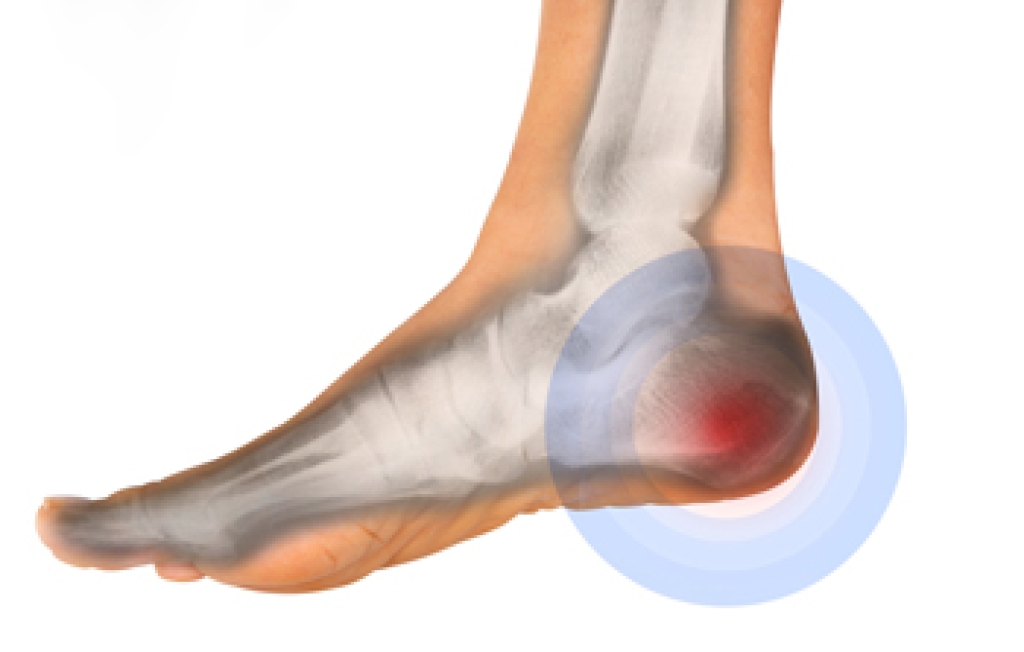
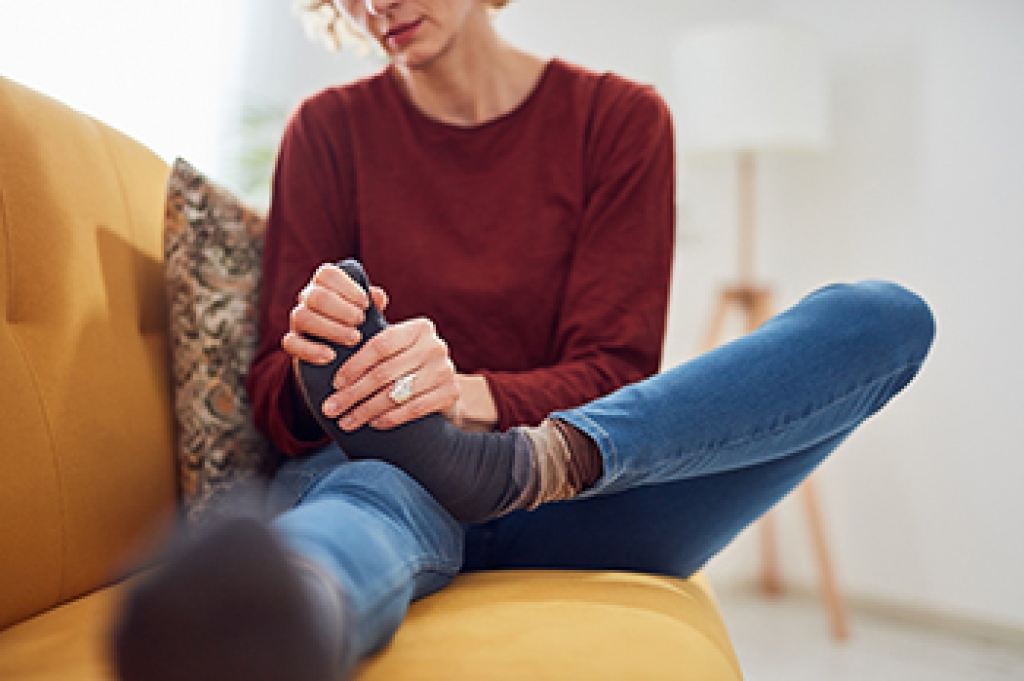
The windlass test is a simple clinical method used to examine how the plantar fascia behaves when the big toe is raised and the arch is placed under tension. During this movement, a podiatrist gently lifts the big toe while keeping the foot steady, allowing them to see whether the plantar fascia tightens normally or triggers discomfort. This test is most often associated with plantar fasciitis because people with this condition frequently feel heel or arch pain when the toe is elevated. It can also provide helpful information about flat feet, arch fatigue, or other mechanical issues that affect daily movement. The windlass test is usually performed when someone reports morning foot pain, stiffness, or tenderness along the bottom of the foot. If these symptoms persist or interfere with routine activity, it is suggested that you see a podiatrist for effective relief and treatment solutions.

If you have any concerns about your feet, contact one of our podiatrists from New Jersey. our doctors can provide the care you need to keep you pain-free and on your feet.

Biomechanics in Podiatry

Podiatric biomechanics is a particular sector of specialty podiatry with licensed practitioners who are trained to diagnose and treat conditions affecting the foot, ankle and lower leg. Biomechanics deals with the forces that act against the body, causing an interference with the biological structures. It focuses on the movement of the ankle, the foot and the forces that interact with them.

A History of Biomechanics

  • Biomechanics dates back to the BC era in Egypt where evidence of professional foot care has been recorded.
  • In 1974, biomechanics gained a higher profile from the studies of Merton Root, who claimed that by changing or controlling the forces between the ankle and the foot, corrections or conditions could be implemented to gain strength and coordination in the area.

Modern technological improvements are based on past theories and therapeutic processes that provide a better understanding of podiatric concepts for biomechanics. Computers can provide accurate information about the forces and patterns of the feet and lower legs.

Understanding biomechanics of the feet can help improve and eliminate pain, stopping further stress to the foot.

If you have any questions please feel free to contact our office located in Neptune City, NJ . We offer the newest diagnostic and treatment technologies for all your foot and ankle needs.

Read more about The Importance of Biomechanics in Podiatry

Understanding Hallux Rigidus

Hallux rigidus is a form of arthritis that affects the big toe joint, making it difficult and often painful to bend the toe during walking or daily activities. Many people first notice stiffness, swelling, or a sharp ache when pushing off the ground, especially in tighter shoes. As the condition progresses, the joint may lose more motion, causing persistent discomfort and changes in the way a person walks. Treatment focuses on relieving pain and protecting the joint. Wearing supportive shoes with a stiff sole, custom orthotics, and activity adjustments can reduce strain. Anti-inflammatory care or targeted exercises may also help improve comfort. In more advanced cases, surgical options can restore function or reduce pain. If you have developed this condition,it is suggested that you see a podiatrist for an accurate diagnosis and the most appropriate treatment plan.

Toe pain can disrupt your daily activities. If you have any concerns, contact one of our podiatrists of New Jersey. our doctors can provide the care you need to keep you pain-free and on your feet.

What Causes Toe Pain?

Most severe toe pain is caused due to a sports injury, trauma from dropping something heavy on the toe, or bumping into something rigid. Other problems can develop over time for various reasons.

Toe pain can be caused by one or more ailments. The most common include:

  • Trauma
  • Sports injury
  • Wearing shoes that are too tight
  • Arthritis
  • Gout
  • Corns and calluses
  • Hammertoe
  • Bunions
  • Blisters
  • Ingrown toenails
  • Sprains
  • Fractures (broken bones)
  • Dislocations

When to See a Podiatrist

  • Severe pain
  • Persistent pain that lasts more than a week
  • Signs of infection
  • Continued swelling
  • Pain that prevents walking

Diagnosis

In many cases the cause of toe pain is obvious, but in others, a podiatrist may want to use more advanced methods to determine the problem. These can range from simple visual inspections and sensation tests to X-rays and MRI scans. Prior medical history, family medical history, and any recent physical traumatic events will all be taken into consideration for a proper diagnosis.

Treatment

Treatments for toe pain and injuries vary and may include shoe inserts, padding, taping, medicines, injections, and in some cases, surgery. If you believe that you have broken a toe, please see a podiatrist as soon as possible.

If you have any questions please contact our office located in Neptune City, NJ . We offer the newest diagnostic and treatment technologies for all your foot and ankle needs.

Read more about Toe Pain

Foot Blisters While Hiking and How to Prevent Them

Foot blisters are a common problem during hiking and develop when friction, heat, and moisture repeatedly irritate the skin. Wearing ill-fitting boots, improper socks, uneven terrain, and long periods of walking can increase rubbing and pressure on certain areas of the foot. Symptoms often include redness, burning pain, swelling, and fluid filled pockets that make each step uncomfortable. Prevention focuses on wearing properly fitted hiking boots, choosing moisture wicking socks, keeping feet clean and dry, and taking breaks to reduce friction. Protective padding may also help prevent irritation. A podiatrist can help by treating painful or infected blisters, recommending proper footwear, and providing guidance to prevent future issues. If foot blisters are interfering with hiking enjoyment or daily comfort, it is suggested that you consult a podiatrist who can offer effective relief and prevention tips. 

Blisters are prone to making everyday activities extremely uncomfortable. If your feet are hurting, contact one of our podiatrists of New Jersey. our doctors can provide the care you need to keep you pain-free and on your feet.

Foot Blisters

Foot blisters develop as a result of constantly wearing tight or ill-fitting footwear. This happens due to the constant rubbing from the shoe, which can often lead to pain.

What Are Foot Blisters?

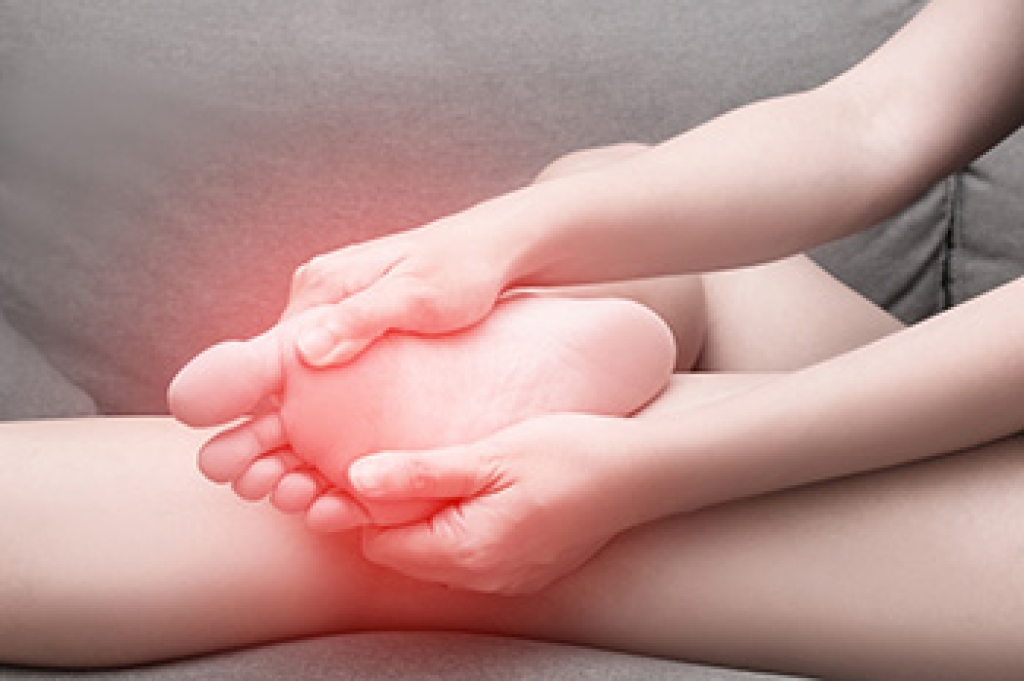
A foot blister is a small fluid-filled pocket that forms on the upper-most layer of the skin. Blisters are filled with clear fluid and can lead to blood drainage or pus if the area becomes infected.

How Do Blisters Form?

Blisters on the feet are often the result of constant friction of skin and material, usually by shoe rubbing. Walking in sandals, boots, or shoes that don’t fit properly for long periods of time can result in a blister. Having consistent foot moisture and humidity can easily lead to blister formation.

Prevention & Treatment

It is important to properly care for the affected area in order to prevent infection and ease the pain. Do not lance the blister and use a Band-Aid to provide pain relief. Also, be sure to keep your feet dry and wear proper fitting shoes. If you see blood or pus in a blister, seek assistance from a podiatrist.

If you have any questions, please feel free to contact our office located in Neptune City, NJ . We offer the newest diagnostic and treatment technologies for all your foot care needs.

Read more about Blisters

Why Live with Pain and Numbness in Your Feet?

Suffering from this type of pain? You may have the foot condition known as Morton's neuroma. Morton's neuroma may develop as a result of ill-fitting footwear and existing foot deformities. We can help.

Athlete’s Foot and Relief From a Podiatrist

Athlete’s foot is a common fungal infection that affects the skin on the feet, usually starting between the toes. It thrives in warm and moist environments and can cause itching, redness, burning, and peeling. If not treated, the infection can spread to other parts of the body, including the toenails, hands, and groin. Risk factors include wearing damp socks, using shared showers, having sweaty feet, and walking barefoot in public places. A podiatrist can help by diagnosing the infection, providing effective treatments, and offering guidance to prevent it from returning. Professional care can also address complications such as cracked skin or nail involvement. If you notice signs of athlete’s foot, it is suggested that you consult a podiatrist who can offer effective treatment solutions, which may include prescribed medication.

Athlete’s foot is an inconvenient condition that can be easily reduced with the proper treatment. If you have any concerns about your feet and ankles, contact one of our podiatrists from New Jersey.  our doctors will treat your foot and ankle needs.

Athlete’s Foot: The Sole Story

Athlete's foot, also known as tinea pedis, can be an extremely contagious foot infection. It is commonly contracted in public changing areas and bathrooms, dormitory style living quarters, around locker rooms and public swimming pools, or anywhere your feet often come into contact with other people.

Solutions to Combat Athlete’s Foot

  • Hydrate your feet by using lotion
  • Exfoliate
  • Buff off nails
  • Use of anti-fungal products
  • Examine your feet and visit your doctor if any suspicious blisters or cuts develop

Athlete’s foot can cause many irritating symptoms such as dry and flaking skin, itching, and redness. Some more severe symptoms can include bleeding and cracked skin, intense itching and burning, and even pain when walking. In the worst cases, Athlete’s foot can cause blistering as well. Speak to your podiatrist for a better understanding of the different causes of Athlete’s foot, as well as help in determining which treatment options are best for you.

If you have any questions please feel free to contact our office located in Neptune City, NJ . We offer the newest diagnostic and treatment technologies for all your foot and ankle needs.

Read more about Athlete’s Foot

Connect With Us

scroll to top