Facts About Plantar Fasciitis

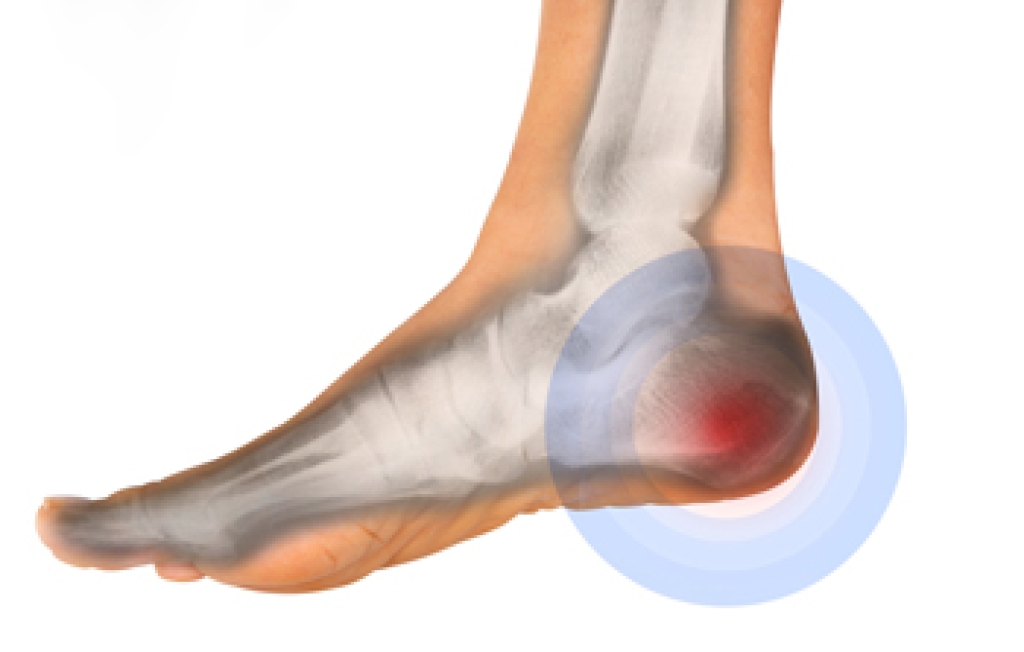
Plantar fasciitis is one of the most common causes of heel pain. It develops when the plantar fascia becomes irritated. The plantar fascia is a strong band of tissue that runs along the bottom of the foot and supports the arch. When this tissue is placed under repeated stress, small tears can develop. This can lead to inflammation and pain. Many people notice pain near the heel when taking their first steps in the morning. It can also occur after sitting for a long period of time. Some people feel a sharp pain, and others describe a deep ache that makes daily activities more difficult.

Several factors increase the risk of plantar fasciitis. People who spend many hours standing are more likely to develop this condition. Running and other high-impact activities can also place extra strain on the foot. Foot structure can play a role as well. Flat feet, high arches, and tight calf muscles can increase stress on the plantar fascia. Excess body weight can add pressure to the heel and arch. Symptoms include heel pain, foot stiffness, and tenderness near the bottom of the heel. Many patients find that pain becomes worse after activity. Pain can also interfere with comfort while walking and standing.

A podiatrist can diagnose plantar fasciitis through a physical examination and a review of symptoms. Imaging tests such as X-rays or ultrasound studies may be used to rule out other causes of heel pain. Treatment depends on the severity of the condition. A podiatrist may recommend custom orthotics, supportive footwear, or a brace to reduce strain on the plantar fascia. Additional treatment options include a targeted stretching program and other medical therapies designed to reduce pain and inflammation. If you have symptoms of plantar fasciitis, it is suggested that you schedule an appointment with a podiatrist for effective relief and management solutions.

Plantar fasciitis can be very painful and inconvenient. If you are experiencing heel pain or symptoms of plantar fasciitis, contact one of our podiatrists  from New Jersey. our doctors can provide the care you need to keep you pain-free and on your feet.

What Is Plantar Fasciitis?

Plantar fasciitis is the inflammation of the thick band of tissue that runs along the bottom of your foot, known as the plantar fascia, and causes mild to severe heel pain.

What Causes Plantar Fasciitis?

  • Excessive running
  • Non-supportive shoes
  • Overpronation
  • Repeated stretching and tearing of the plantar fascia

How Can It Be Treated?

  • Conservative measures – anti-inflammatories, ice packs, stretching exercises, physical therapy, orthotic devices
  • Shockwave therapy – sound waves are sent to the affected area to facilitate healing and are usually used for chronic cases of plantar fasciitis
  • Surgery – usually only used as a last resort when all else fails. The plantar fascia can be surgically detached from the heel

While very treatable, plantar fasciitis is definitely not something that should be ignored. Especially in severe cases, speaking to your doctor right away is highly recommended to avoid complications and severe heel pain. Your podiatrist can work with you to provide the appropriate treatment options tailored to your condition.

If you have any questions, please feel free to contact our office located in Neptune City, NJ . We offer the newest diagnostic and treatment technologies for all your foot care needs.

Read more about Plantar Fasciitis

Various Causes of Heel Pain

Heel pain, one of the most common foot complaints treated in podiatry, can affect people of all ages and activity levels. It refers to discomfort at the bottom or back of the heel, and may develop gradually or suddenly, depending on the cause. The heel bone, also known as the calcaneus, absorbs significant pressure when walking and standing, which makes it vulnerable to overuse injuries and inflammation. Heel pain can range from a dull ache to sharp stabbing sensations that make walking difficult, especially in the morning or after long periods of rest. 

Several conditions can lead to heel pain, including plantar fasciitis, heel spurs, and bursitis. Plantar fasciitis is inflammation of the plantar fascia, a thick band of tissue that runs along the bottom of the foot and connects the heel to the toes. It often causes sharp heel pain that is worse with the first steps in the morning. A heel spur is a calcium deposit that forms on the heel bone and is often associated with chronic plantar fasciitis. While not always painful on its own, it can contribute to irritation of surrounding tissues. Heel bursitis occurs when the bursae, small fluid-filled sacs that cushion the heel, become inflamed due to repetitive stress or pressure.


Risk factors for heel pain include obesity, prolonged standing, and high-impact activities. Other factors are improper footwear and structural foot issues like flat feet or high arches. Symptoms may include swelling, tenderness, stiffness, and pain that worsens with activity. Some individuals may also notice changes in their walking pattern as they attempt to reduce discomfort. Untreated heel pain can lead to reduced mobility and increased strain on other parts of the foot, ankle, and lower leg.


A podiatrist can diagnose heel pain through a physical examination, gait analysis, and imaging, if necessary. Treatment options include anti-inflammatory measures, custom orthotics, and footwear modifications. In some cases, advanced therapies to reduce inflammation and promote healing may be recommended. Addressing the root cause rather than just the symptoms is key to long-term improvement. If you have heel pain, it is strongly suggested that you consult a podiatrist for an accurate diagnosis and appropriate treatment to relieve discomfort and restore mobility.

Many people suffer from bouts of heel pain. For more information, contact one of our podiatrists of New Jersey. our doctors can provide the care you need to keep you pain-free and on your feet.

Causes of Heel Pain

Heel pain is often associated with plantar fasciitis. The plantar fascia is a band of tissues that extends along the bottom of the foot. A rip or tear in this ligament can cause inflammation of the tissue.

Achilles tendonitis is another cause of heel pain. Inflammation of the Achilles tendon will cause pain from fractures and muscle tearing. Lack of flexibility is also another symptom.

Heel spurs are another cause of pain. When the tissues of the plantar fascia undergo a great deal of stress, it can lead to ligament separation from the heel bone, causing heel spurs.

Why Might Heel Pain Occur?

  • Wearing ill-fitting shoes                
  • Wearing non-supportive shoes
  • Weight change           
  • Excessive running

Treatments

Heel pain should be treated as soon as possible for immediate results. Keeping your feet in a stress-free environment will help. If you suffer from Achilles tendonitis or plantar fasciitis, applying ice will reduce the swelling. Stretching before an exercise like running will help the muscles. Using all these tips will help make heel pain a condition of the past.

If you have any questions, please feel free to contact our office located in Neptune City, NJ . We offer the newest diagnostic and treatment technologies for all your foot care needs.

Read more about Heel Pain

What Are Neuropathic Foot Ulcers?

Neuropathy is a medical condition that affects the peripheral nerves, most commonly in the feet and legs. It occurs when nerves become damaged and are unable to properly transmit signals between the brain and the body. This can lead to altered sensation, pain, or complete loss of feeling in the affected areas. Neuropathy is a significant concern in podiatry because it increases the risk of foot injuries going unnoticed, which can lead to more serious complications, such as neuropathic ulcers. These are open sores that develop due to repeated pressure or unnoticed trauma in areas with reduced sensation.

Symptoms of neuropathy in the feet often begin gradually and may include tingling, burning sensations, numbness, or sharp shooting pain. Some individuals experience a feeling of walking on pins and needles, while others may notice a complete loss of feeling in parts of the foot. Neuropathic ulcers develop when minor injuries, blisters, or pressure points go unnoticed due to reduced sensation. These ulcers commonly appear on weight-bearing areas, such as the ball of the foot or heel. Because pain signals are diminished, the condition may progress without immediate awareness, increasing the risk of infection.

Risk factors for neuropathy include diabetes, chronic alcohol use, vitamin deficiencies, certain infections, and long-term exposure to toxins. Diabetes is one of the leading causes, as elevated blood sugar levels can damage nerves. Individuals with poor circulation or a history of foot deformities are also at higher risk of developing neuropathic ulcers. Repetitive pressure, ill-fitting footwear, and prolonged standing can worsen the condition and contribute to skin breakdown. Without proper care, neuropathic ulcers can become infected and may lead to more serious complications.

The causes of neuropathy involve damage to the peripheral nerves, which may result from metabolic, infectious, or mechanical factors. When nerve function is impaired, the protective sensation in the feet is reduced, making it difficult to detect injuries. Neuropathic ulcers form when continuous pressure or friction is applied to an area without the natural pain response that would normally trigger protective action. This leads to skin breakdown and open wounds that require specialized care. If you have neuropathy or have developed an ulcer, it is strongly suggested that you consult a podiatrist who can accurately diagnose and treat neuropathy foot ulcers.

Neuropathy

Neuropathy can be a potentially serious condition, especially if it is left undiagnosed. If you have any concerns that you may be experiencing nerve loss in your feet, consult with one of our podiatrists from New Jersey. our doctors will assess your condition and provide you with quality foot and ankle treatment for neuropathy.

What Is Neuropathy?

Neuropathy is a condition that leads to damage to the nerves in the body. Peripheral neuropathy, or neuropathy that affects your peripheral nervous system, usually occurs in the feet. Neuropathy can be triggered by a number of different causes. Such causes include diabetes, infections, cancers, disorders, and toxic substances.

Symptoms of Neuropathy Include:

  • Numbness
  • Sensation loss
  • Prickling and tingling sensations
  • Throbbing, freezing, burning pains
  • Muscle weakness

Those with diabetes are at serious risk due to being unable to feel an ulcer on their feet. Diabetics usually also suffer from poor blood circulation. This can lead to the wound not healing, infections occurring, and the limb may have to be amputated.

Treatment

To treat neuropathy in the foot, podiatrists will first diagnose the cause of the neuropathy. Figuring out the underlying cause of the neuropathy will allow the podiatrist to prescribe the best treatment, whether it be caused by diabetes, toxic substance exposure, infection, etc. If the nerve has not died, then it’s possible that sensation may be able to return to the foot.

Pain medication may be issued for pain. Electrical nerve stimulation can be used to stimulate nerves. If the neuropathy is caused from pressure on the nerves, then surgery may be necessary.

If you have any questions, please feel free to contact our office located in Neptune City, NJ . We offer the newest diagnostic and treatment technologies for all your foot care needs.

Read more about Neuropathy

Keep Your Feet Healthy So You Can Stay Active

Have your feet inspected by a professional before starting a new sport or physical activity. Taking charge of your foot health will keep you in good physical condition and can help you avoid a potential injury, such as a fracture or sprained ankle.

Prevent injuries and see a foot specialist.

Why Cycling Can Hurt Your Ankle

Ankle pain from cycling is a common overuse issue that develops when the joint and surrounding tendons are placed under repeated strain. It often appears as aching, stiffness, or sharp discomfort during or after a ride. One major cause is incorrect cleat placement, which can force the foot into an unnatural angle and stress the ankle with every pedal stroke. A saddle that is too high can also lead to overextension, placing extra pressure on the joint. Risk factors include long rides, sudden increases in training, and poor bike fit. Over time, the pain may worsen and affect performance. A podiatrist can evaluate foot mechanics, assess bike related strain, and recommend custom orthotics or adjustments to improve alignment. If you enjoy cycling and have developed ankle pain, it is suggested that you consult a podiatrist who can guide you toward an effective relief and treatment plan.

Sports related foot and ankle injuries require proper treatment before players can go back to their regular routines. For more information, contact one of our podiatrists of New Jersey. our doctors can provide the care you need to keep you pain-free and on your feet.

Sports Related Foot and Ankle Injuries

Foot and ankle injuries are a common occurrence when it comes to athletes of any sport. While many athletes dismiss the initial aches and pains, the truth is that ignoring potential foot and ankle injuries can lead to serious problems. As athletes continue to place pressure and strain the area further, a mild injury can turn into something as serious as a rupture and may lead to a permanent disability. There are many factors that contribute to sports related foot and ankle injuries, which include failure to warm up properly, not providing support or wearing bad footwear. Common injuries and conditions athletes face, including:

  • Plantar Fasciitis
  • Achilles Tendinitis
  • Achilles Tendon Rupture
  • Ankle Sprains

Sports related injuries are commonly treated using the RICE method. This includes rest, applying ice to the injured area, compression and elevating the ankle. More serious sprains and injuries may require surgery, which could include arthroscopic and reconstructive surgery. Rehabilitation and therapy may also be required in order to get any recovering athlete to become fully functional again. Any unusual aches and pains an athlete sustains must be evaluated by a licensed, reputable medical professional.

If you have any questions please contact our office located in Neptune City, NJ . We offer the newest diagnostic and treatment technologies for all your foot and ankle needs.

Read more about Sports Related Foot And Ankle Injuries

Connect With Us

scroll to top